Architecture BRIO has moved to a new office. The new office is located on Linking Road in Bandra, Mumbai
The Children of Magic Bus climbing the Laureus Learning Pavilion adorn the latest cover of Domus. The August edition of the architecture magazine features articles on the Magic Bus Learning Pavilion and the House on a Stream.
The experiential content of any structure is as important as the aesthetic one. And the young architecture firm in Mumbai, Architecture BRIO effortlessly bring this balance of plausible and implausible in their work. Headed by a Dutch – Indian duo, Robert Verrijt and Shefali Balwani, the firm in a short span of eight years has made its mark on the architectural map of the country.
The first NDTV Design and Architecture Awards focus on the complexities of building projects from an innovation, design, aesthetic, sustainability and conservation perspective. A high powered jury did the tough of job of shortlisting the winners from the all the entries received. Architecture BRIO won the award for the House Design of the Year 2014 for their project “House on a Stream”.
Who is shaping India’s design expression and re-inventing our landscapes? Architectural Digest compiled a list of the 50 most influential names in Indian architecture and design for 2014 – AD-50. Architecture BRIO was amongst them.
The Laureus Learning Pavilon – part building, part challenge course located at the Magic Bus Centre near Mumbai – was officially opened at an inaugural ceremony on December 1st, 2013.
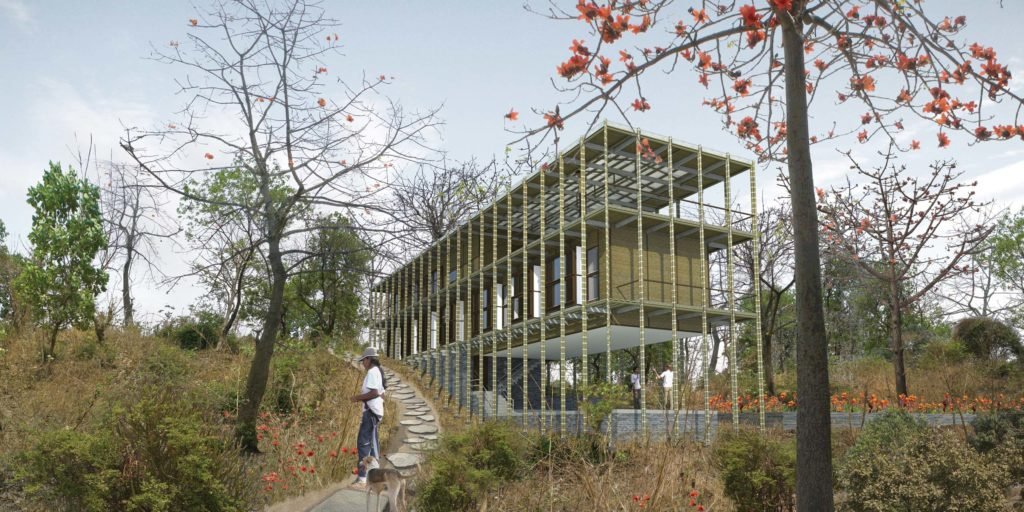
Architecture BRIO completes the “House on a Stream” in Alibag, India. Ian Nazareth writes in his article in the “Australian Architectural Review”: “….the project is strikingly brusque, making ideological links with representation and occupation, expressing a deliberate divergence.”
Architecture BRIO has been appointed to design a resort with 16 holiday homes near Navabag Village. The development of this 6 hectares site will include the ecological restoration of an existing lake and the development of 16 holiday homes and a boat house.
The book “Learning from Mumbai” will be launched today, the 14th of May in the Hague. The book attempts to protrait the nature of the architectural practice in Urban India from diverse points of view. A chapter called “Socially and environmentally Conscious Architecture” has been dedicated about how Architecture BRIO deals with the challenges of the profession.
The Camac Residential Tower is a proposal for a residential tower located in the heart of Calcutta. The structural system is designed such that the floor plans are column free, making the structure more durable. Even though the purist exposed structure responds to the rationality of the surrounding tropical modernist towers, the variety in the verandah and glass elements mark a vibrant city on the move.
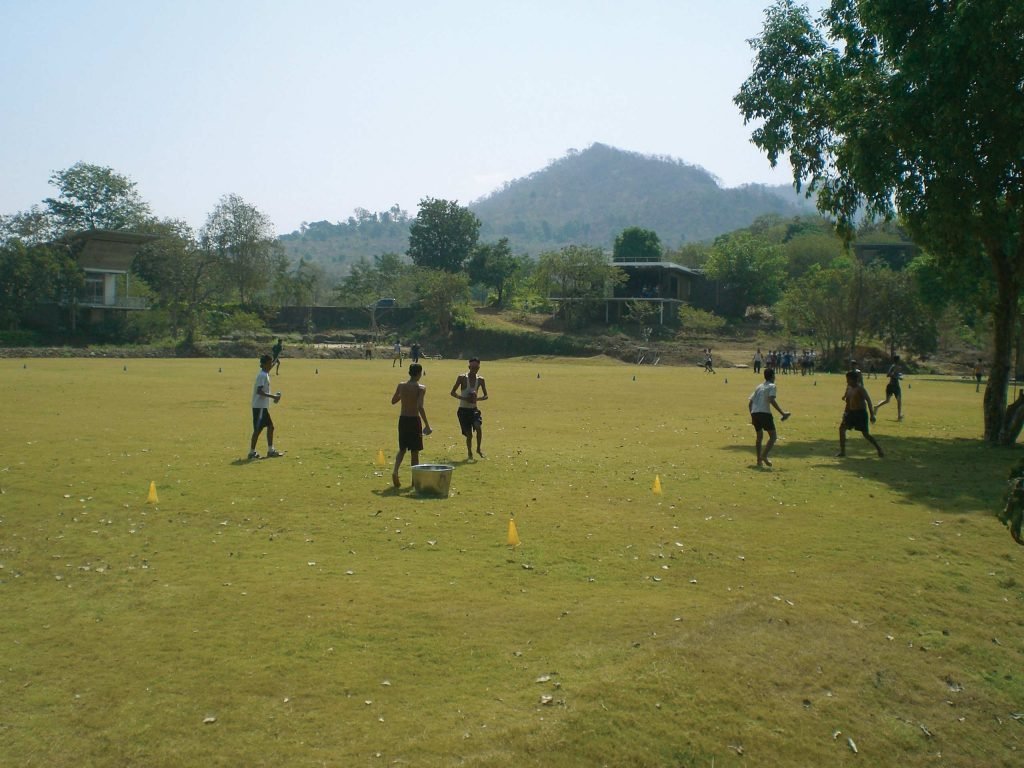
We are very excited about the Rope Bridge currently being installed at the Magic Bus Learning Pavilion. The Learning Pavilion will be used as a gathering space and play area for underprivileged children while they are on a weekend camps at the Magic Bus Centre. A variety of activities will be held here such as group sessions with the children, discussions, art workshops, games and raft building.
Architecture BRIO has been published in the “Practices of Consequence” issue of Indian Architect and Builder. The issue comprises of essays, conversations and comments on some of the most significant and emerging practices in the Indian context.
The restaurant interior of this project fuses eight cuisines in a contemporary aesthetic through a minimalist material palette. A semi-vaulted interior gives a sense of enclosure and introverted-ness. A centrally positioned bar and food display counter creates intimacy in the otherwise large space and a variation in scenes. The two flanks of the restaurant are recessed into the wall and allow for a variety of seating types.
Otto Infinito has opened its doors in Mumbai. Here is a little bit more about the creation of the restaurant concept.
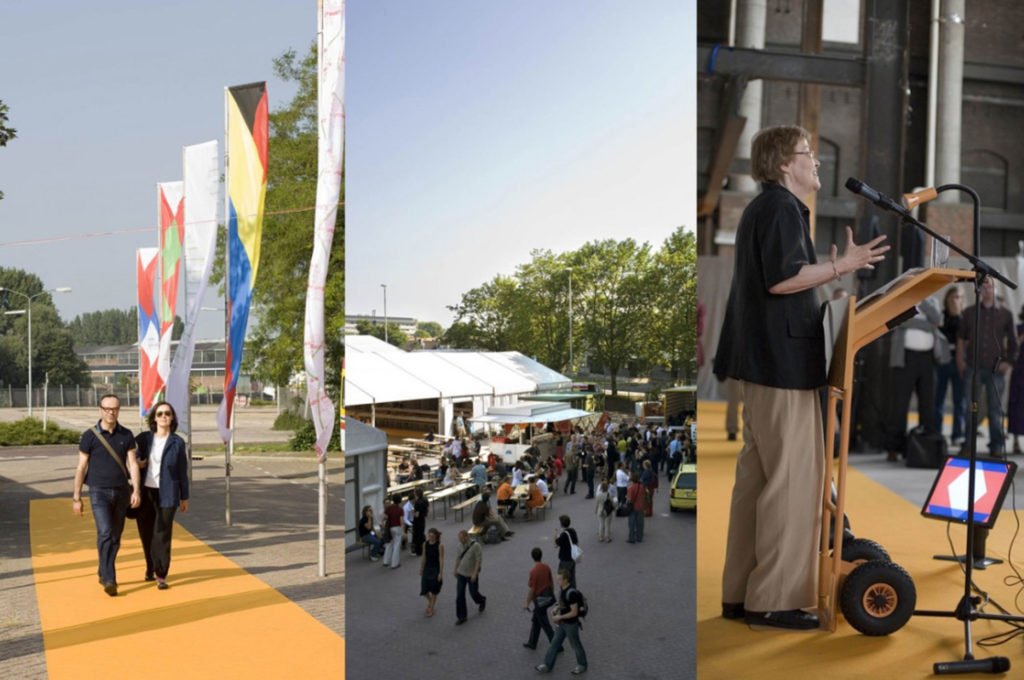
Workshops, keynotes and inspiring stories about doing business in India.
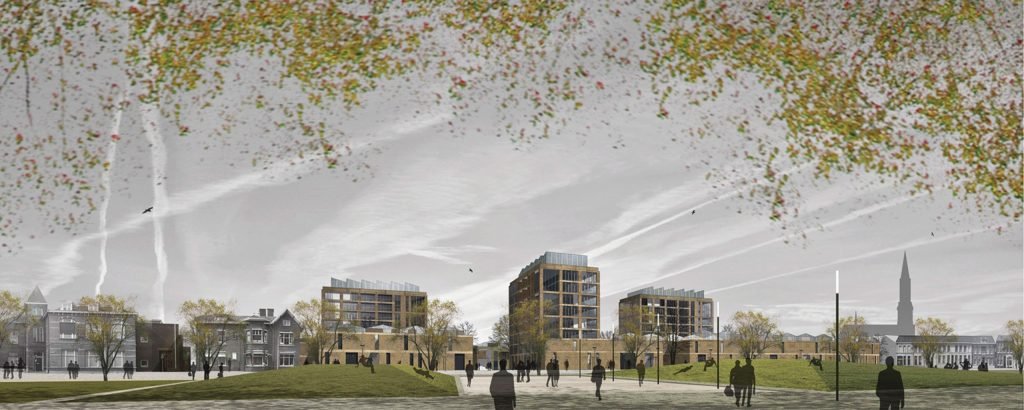
Architecture BRIO will present their vision on affordable housing in Mumbai during the Capita Selecta Lecture Series in Delft. The lecture series explores the issues of affordable housing in exploding cities. By focussing on different areas in the world – China, Ethiopia, Russia and India – the lecture series will explore the importance of local cultural conditions.
Humans are deeply interlinked with the life of butterflies. Not only are butterflies indicators of the health of our environment, in many cultures butterflies are associated with the soul. The relation to butterflies goes as far that in the Himalayan region, some of the Nagas of Manipur trace their ancestry from them. Architecture BRIO and fUSE have won the open competition held by the Forest Department of Sikkim to design the Himalayan Butterfly Reserve in Sikkim
Studio Lukas Feireiss presents ‘The Imaginarium’ on display currently at Studio X Mumbai. ‘The Imaginarium’ is devoted to the prescient subject of ecological change and adaptations caused by artificial interventions into existing ecosystems. It catalogues a world in which the sun is setting on our idealistic and preservationist views of the natural world.
Sunday Midday published an article on architects working with communities and NGO’s in India. The article featured projects by ‘Architecture for Humanity’, ‘Scott Gerald Shall’, ‘Vaibhav Kaley’, ‘Sandeep Virmani’, ‘the Cohesion Foundation’, and ‘Architecture BRIO’
Architecture BRIO conducts workshop in “Unsolicited Architecture” event at Studio-X in Mumbai on 12 and 13 February 2011
Architecture BRIO gives a lecture on the Magic Bus Learning Pavilion at “Learning of the Grid” at Studio-X in Mumbai on 21 January 2011
A roundtable discussion about the state of education in India. Speakers will include local architects, planners and educators from in and around Mumbai.
The North Indian state Sikkim, strengthens its approach towards environmental friendly strategies. fUSE Studio and Architecture BRIO have been appointed via an international tender to design the Biodiversity Training Institute of Sikkim.
The building with educational and residential facilities will be characterized by green features that derive from re-using and reinterpretation of local techniques and knowledge.
The forest home in Kodaikanal takes inspiration from the idea of Temenos. The ancient Greek word translates as “a piece of land marked off from common uses and dedicated to a god”. It is intended to be a sanctuary, which once completed, it will be the permanent residence of two creative professionals located on the edge of a rocky outcrop within a dense forest area.
The travelling exhibition “Building India- Indian Visions Dutch Methods” was successfully opened at Sir JJ College of Architecture. Mumbai on the 9th July 2010. The exhibition was originally on show at the ARCAM Gallery in Amsterdam, and currently travels across various cities in India. The exhibition presents a general introduction to present-day India, to the current state of architecture and urbanism, and the building task for the next ten years.
…and then the rains start. the monsoon dramatically changes the landscape. From a pale brown red to vibrant greens. The construction at the “house on a stream” site in Alibaug continues…
Large scale European architecture companies have been moving into Mumbai over the last decade more and more to develop various projects. Indian architecture companies however have also been increasing, in size, in volume and in projects. While Mumbai is growing rapidly, the two architectural worlds seem somewhat distanced from each other. The young architecture practice Architecture BRIO fits right in between these two worlds. Not 100% European and not 100% Indian.
Every winter, Goa’s beaches flood with tourists seeking a place to relax and enjoy a sense of the beauty within its virgin beaches. To avoid the massive construction waste that gets generated for the temporary beach shacks every winter, the beach cabins for Dunhill Beach Resort were designed in a component system. Every component can be disassembled and re-assembled year after year without generating waste.
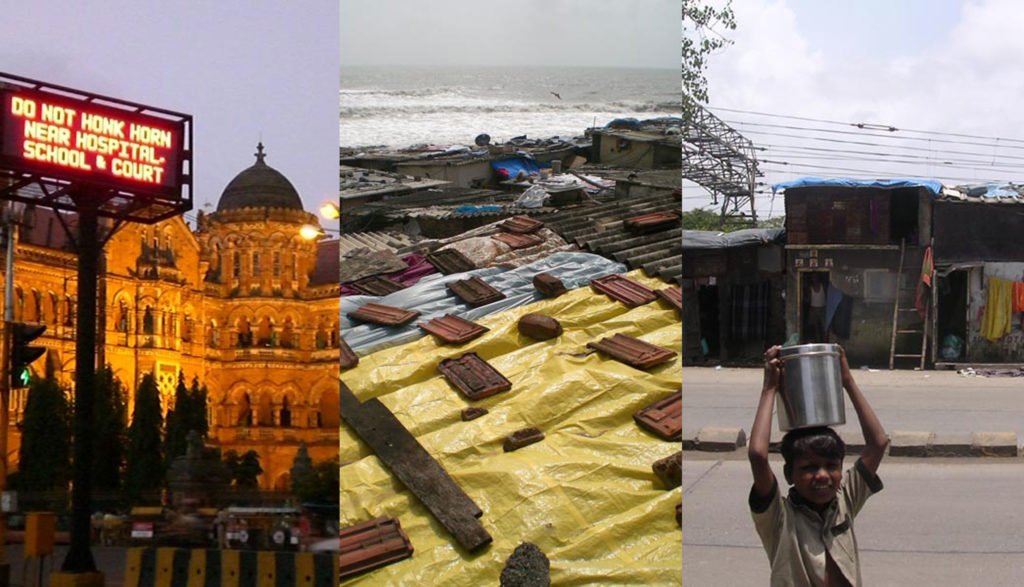
The architect Lebbeus Woods has written an exceptional essay in three parts about slums and the possible roles that an architect can play in this seemingly unsolvable problem
The Mumbai shanty town featured in the film Slumdog Millionaire offers a better model than does western architecture for ways to house a booming urban population in the developing world, Prince Charles said yesterday.